
PHP's two-pass compiler
On my way to Istanbul I was looking at Xdebug bug #422 . For some reason Xdebug was crashing while doing code-coverage analysis, in the part that analyses which code was dead (ie. opcodes that could never be reached). The crash occurred with a JMPZ (jump-if-zero) instruction, that suddenly saw a jump-to position of 572222864. That position resembles more a jump-address.
Xdebug uses the same branch analysis implementation as VLD so I used the latter tool to find out why it would crash. Unfortunately, it was working just all nice and fine with VLD. After digging around some more, I saw from the back trace that the crash in Xdebug only occurred when a user-defined error-handler was called while parsing a file. The latter gave me the insight of looking at which phase the compiler was in. I remembered that PHP has a two phase compiler. The first pass is quick and dirty, and only records the opcode line number to jump to. Xdebug however was expecting an memory address as jump target. Because a memory address is a much larger number than an opcode number—the latter usually not being much higher than a thousand—Xdebug was setting the "visited" flag in a part of memory that wasn't allocated. And writing to unallocated memory makes a process die with a segmentation fault.
The compiler in PHP is two-pass. During the first pass, it will find out to which opcode it needs to jump in the jump instructions. However, the PHP engine (and Xdebug) expects a memory address to jump to while executing your script. In the second pass, the compiler will then go over the generated opcodes and calculate the memory address to jump to from the jumps to opcode numbers. It will also do a few other things, such as collapsing sequential EXT_STMT opcodes, calling Zend extension's functions to finalize the opcode arrays—Xdebug uses this for caching whether an opcode array has been scanned already—and re-allocating the opcode array itself to save space.
Now, the thing is, that usually VLD and Xdebug kick in after the whole opcode array has been created, which includes running the second pass of the compiler. However, Xdebug also tries to analyze opcode arrays while executing them. In the case of a user defined error handler, that happens before the second pass has been run. Preventing the crash was therefore as easy as making sure that the compiler's second pass had been run while scanning the opcode arrays for executable code.


Life Line
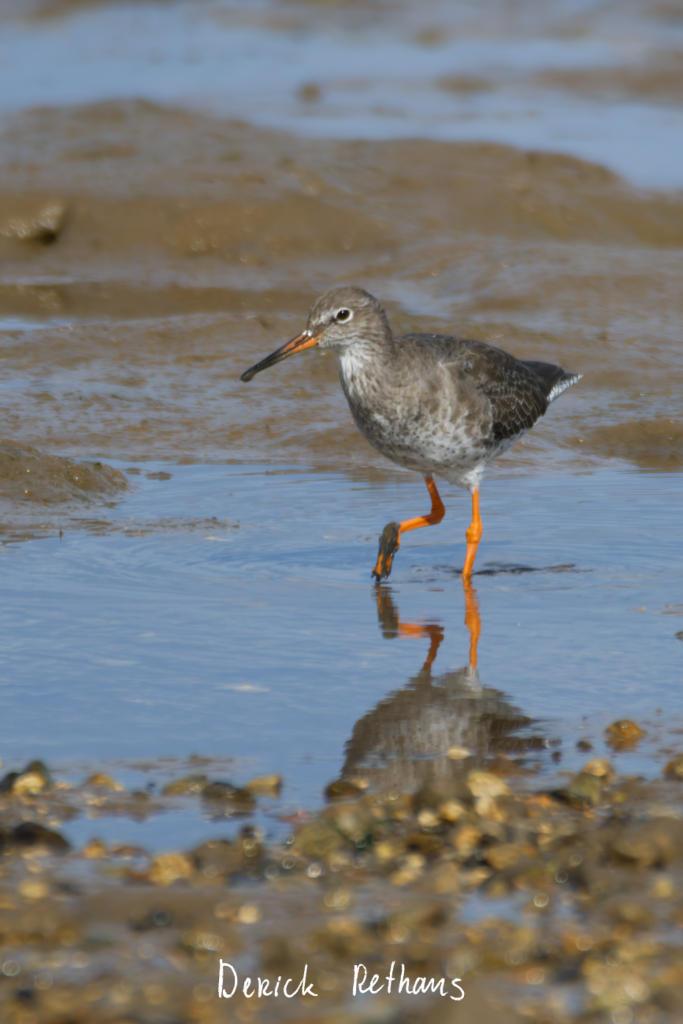
Redshank Strolling On The Mud
This lovely bird was mooching about white close by on the mudflat at Brancaster Staithe. Picking through the puddles and mud to find something to eat.
#photography #Birds #BirdPhotography #BirdsOfFediverse #NaturePhotography #wildlife #Norfolk
Specify whether public transport stops have bins
Determine whether amenities are inside buildings
Specify whether public transport stops have tactile paving
Determine place names
Survey if vacant places are still vacant
Survey if places still exist
Determine roads lane count
Specify whether there are crossings at intersections of paths and roads
Survey tactile paving on steps
Specify whether steps have a ramp
Specify which way leads up for steps
Specify whether steps have handrails
Survey if places still exist
Specify cycle barrier installation
Specify cycle barrier types
Specify whether roads have lane markings
Specify whether there are cycleways
Specify bollard types
Specify width of opening
Specify path surfaces
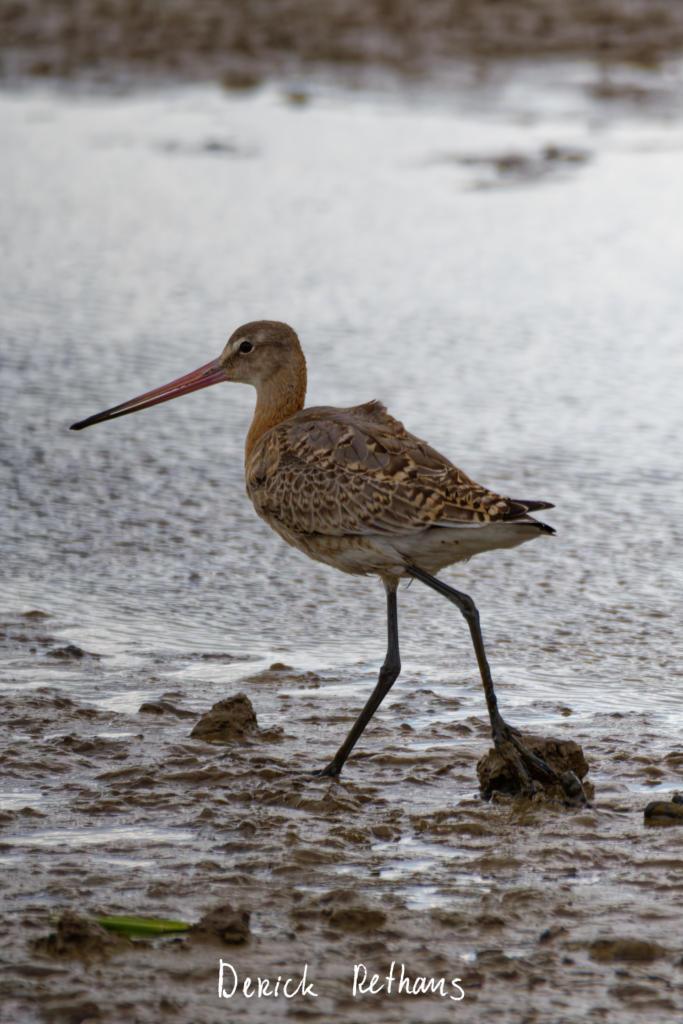
Black-tailed Godwit Smooching About
At RSPB Titchwell Marsh, there are many different habitats. This one has many muddy flats, and different species.
This bird was being chased by a fellow bird, and landed almost straight in front of the hide, with the light just being right.
#photography #Birds #BirdPhotography #BirdsOfFediverse #NaturePhotography #wildlife #Norfolk #RSPB #TitchwellMarsh
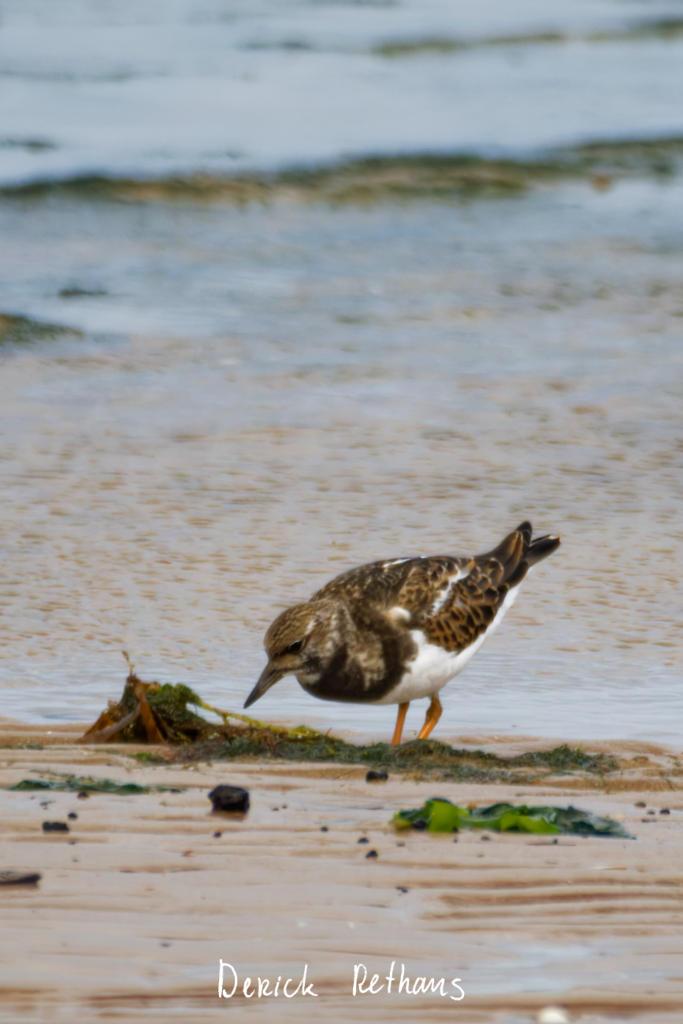
A Ruddy Turnstone Turning Over Stones On The Beach
A bunch of them were turning over things on Hunstanton Beach to see if there were any grubs to eat.
#photography #Birds #BirdPhotography #BirdsOfFediverse #NaturePhotography #wildlife #Norfolk
I've just donated blood again, for the first time in a while (for reasons). Now for the best thing, the free snacks!
Updated a restaurant and a pharmacy
Shortlink
This article has a short URL available: https://drck.me/ptc-6za